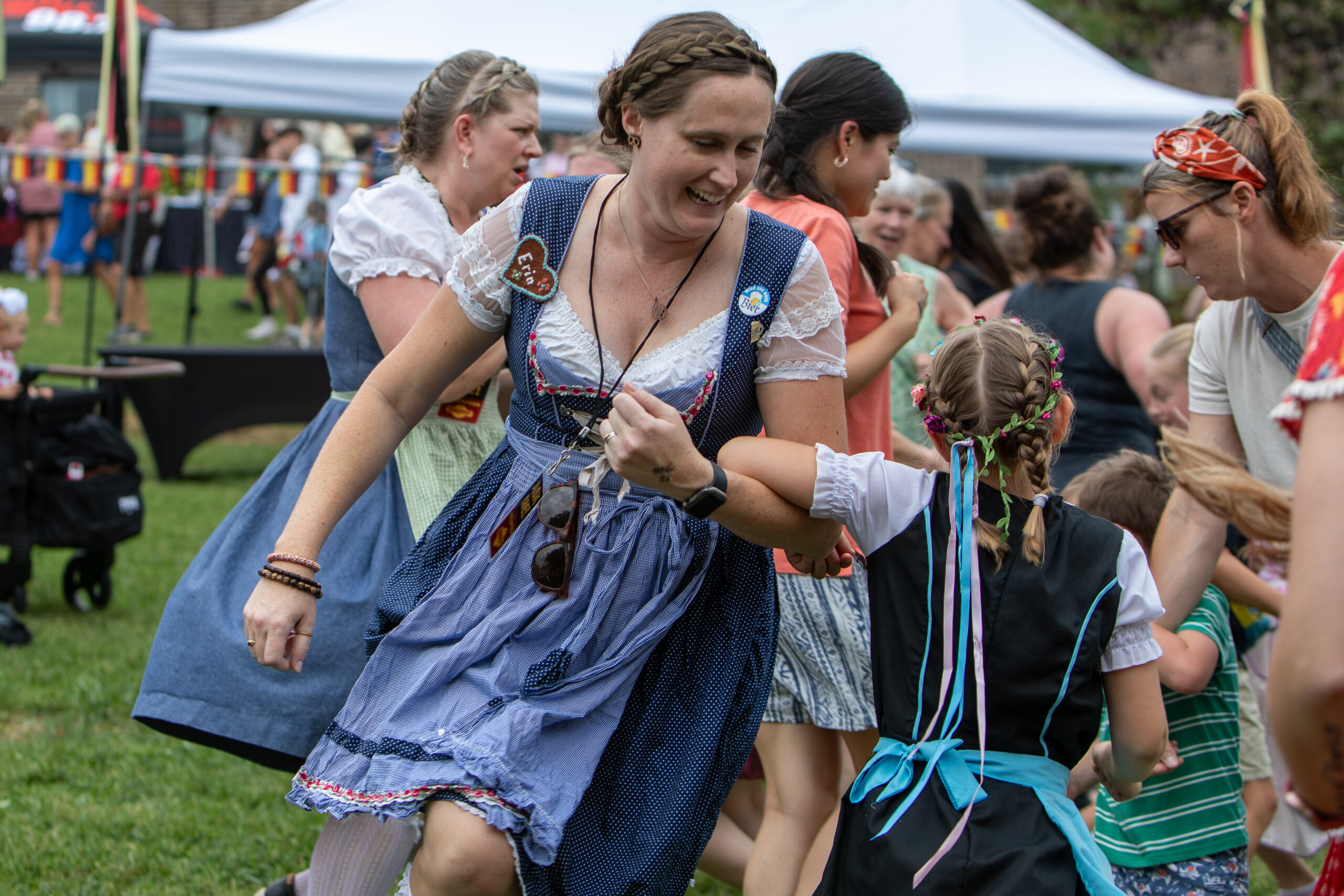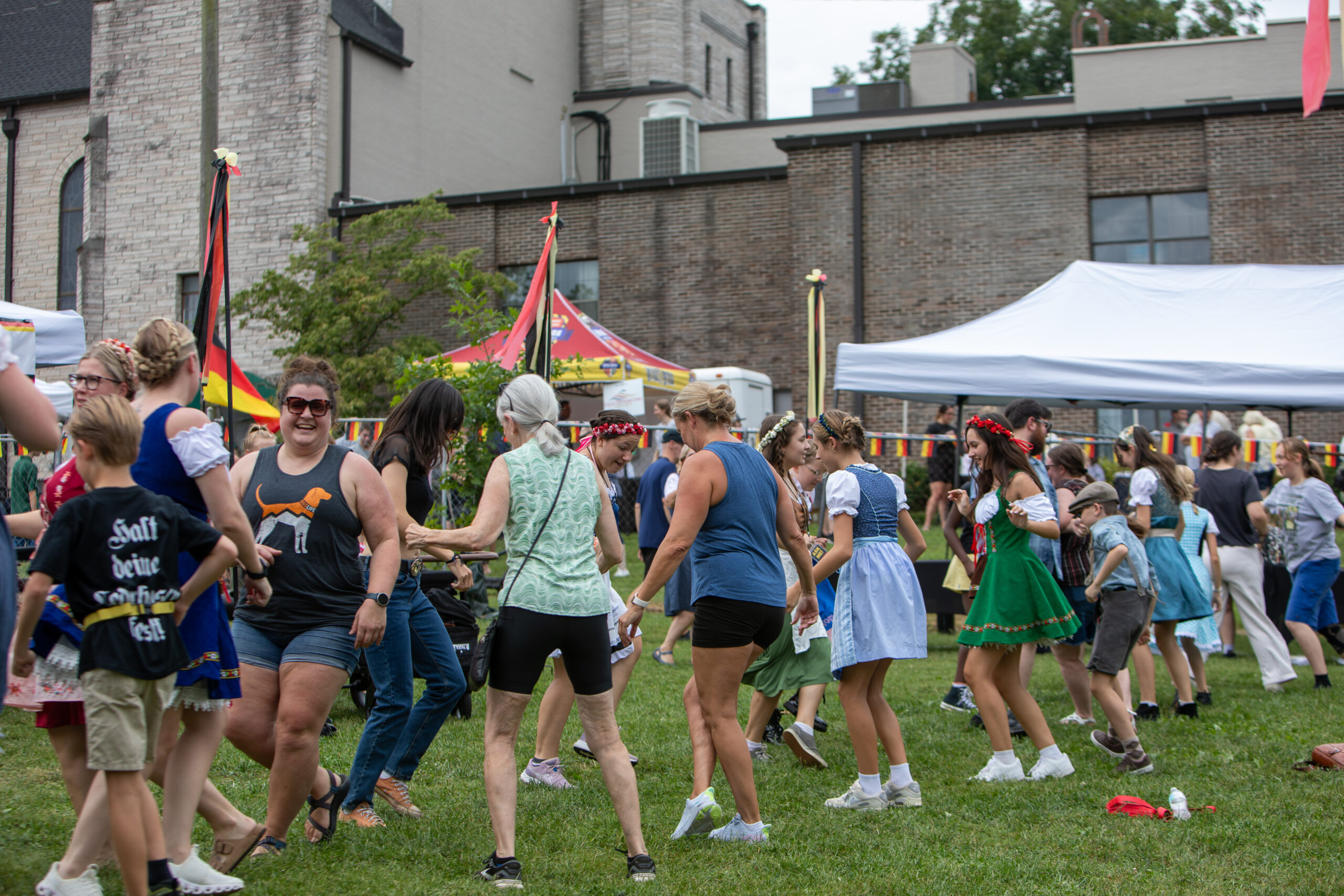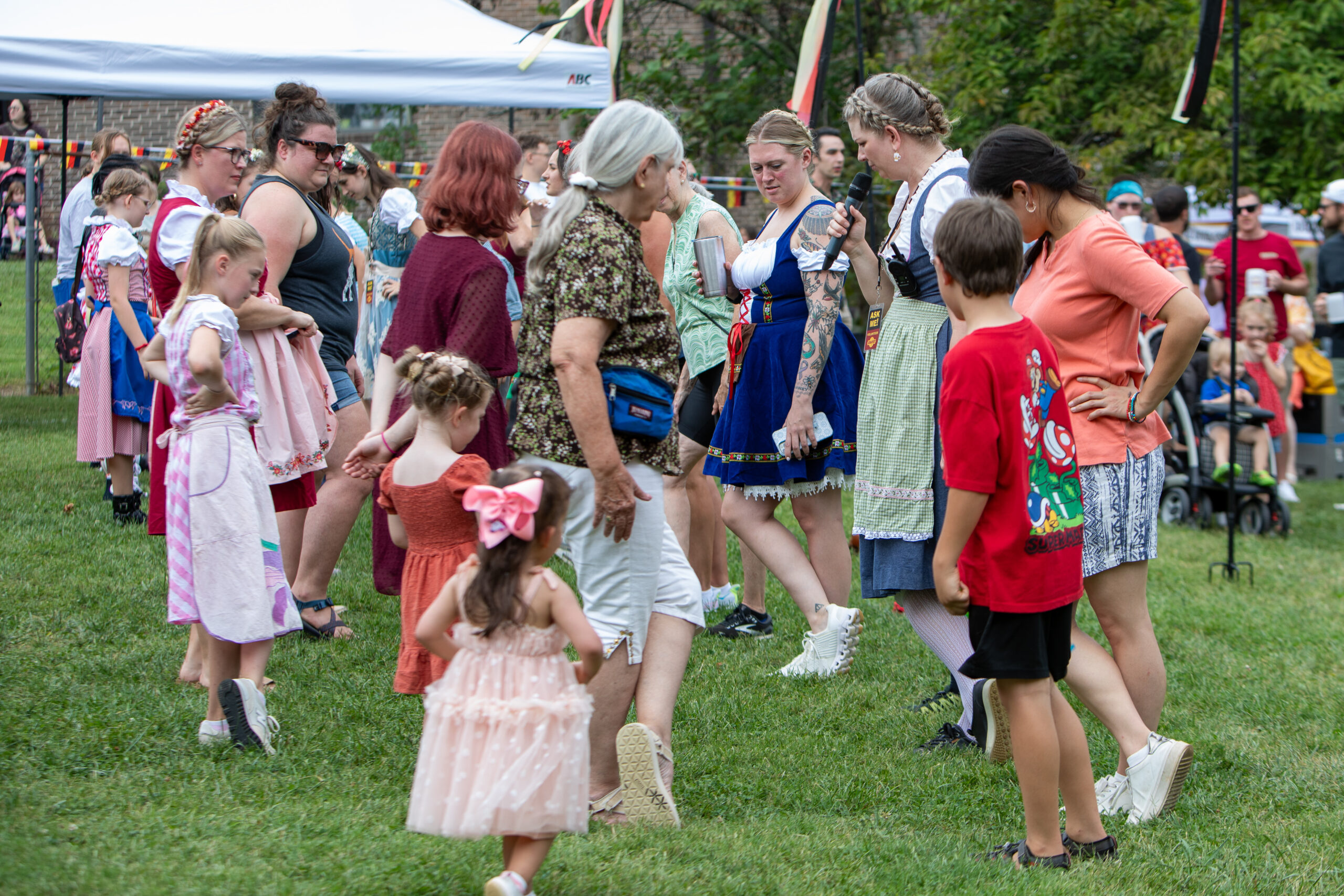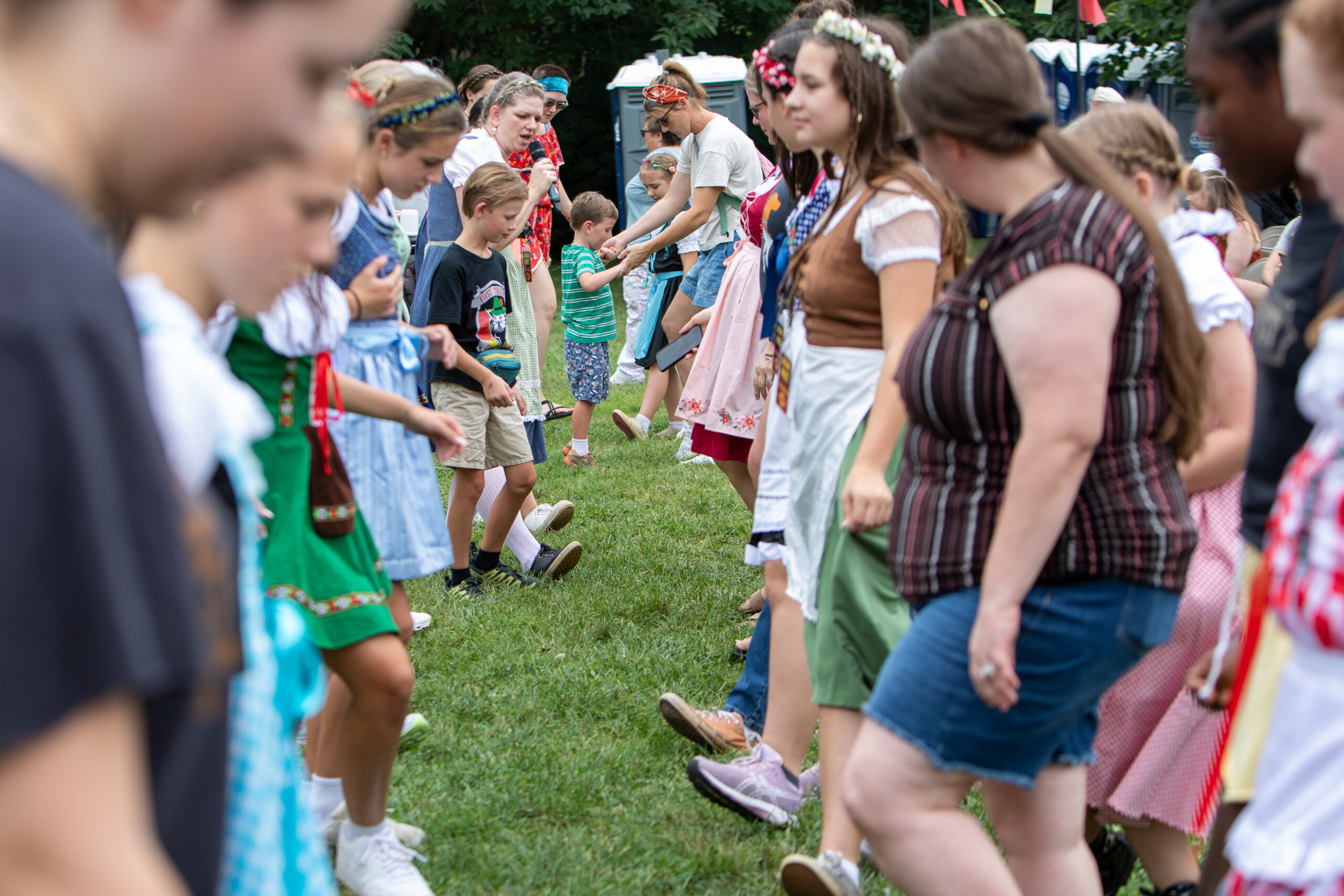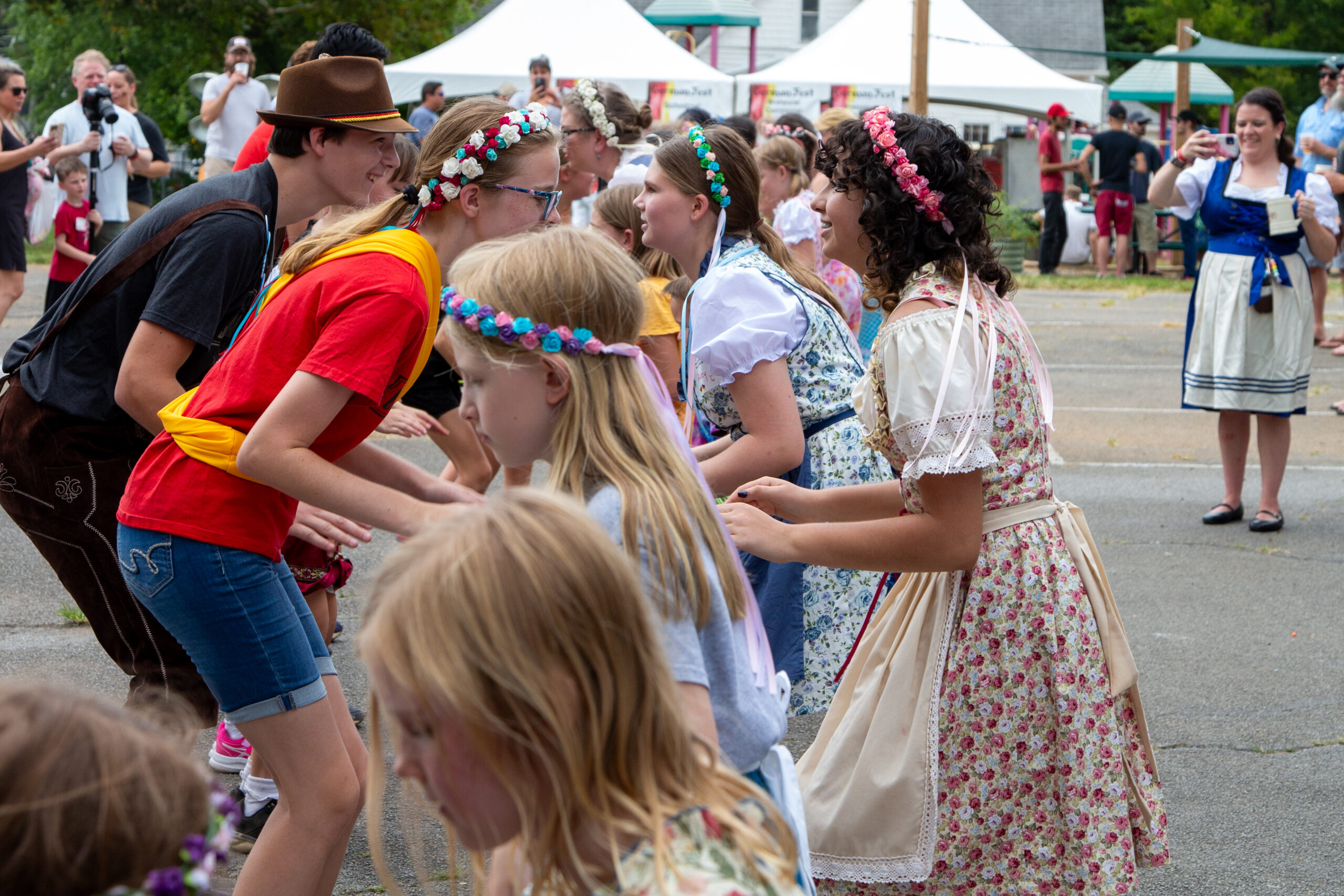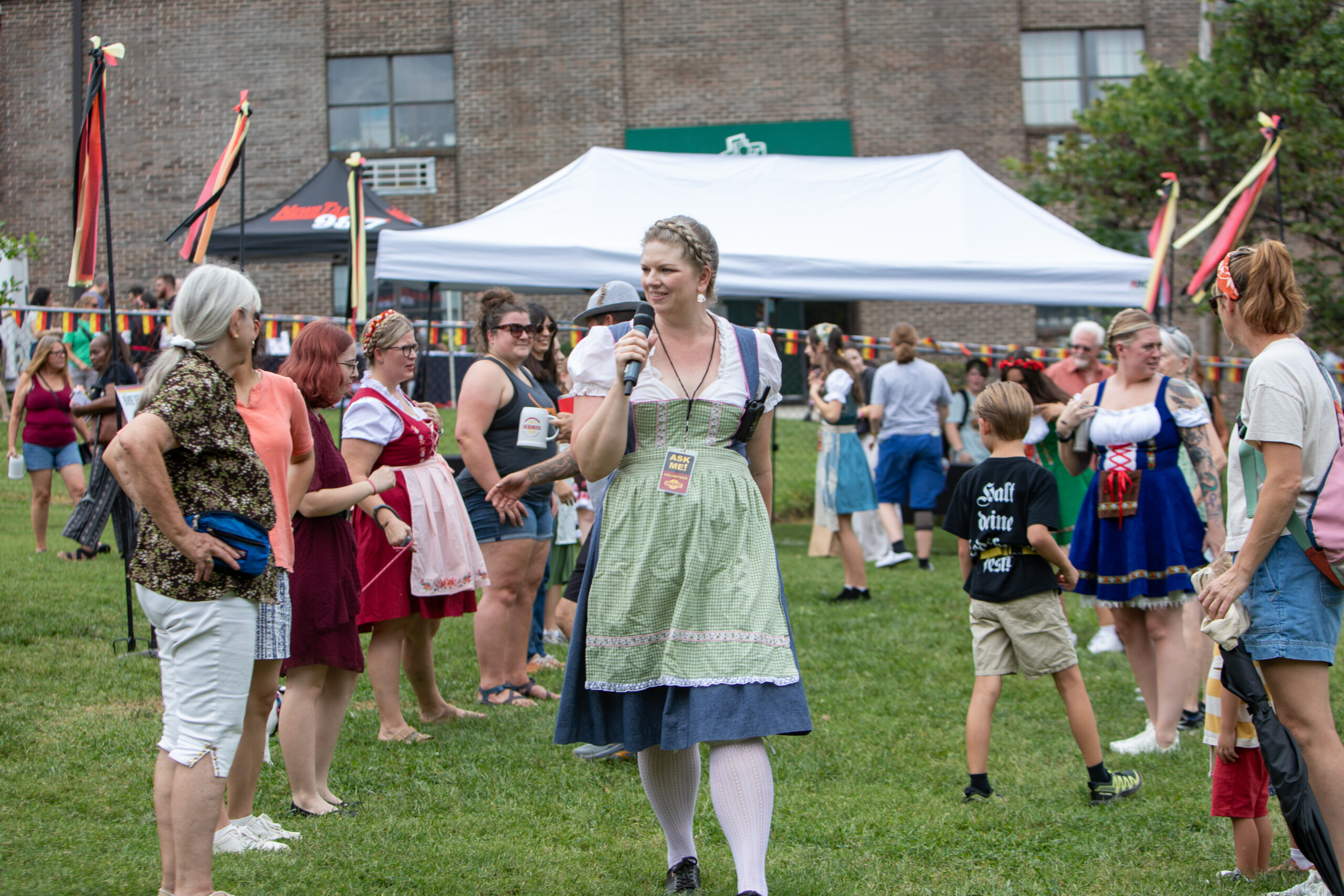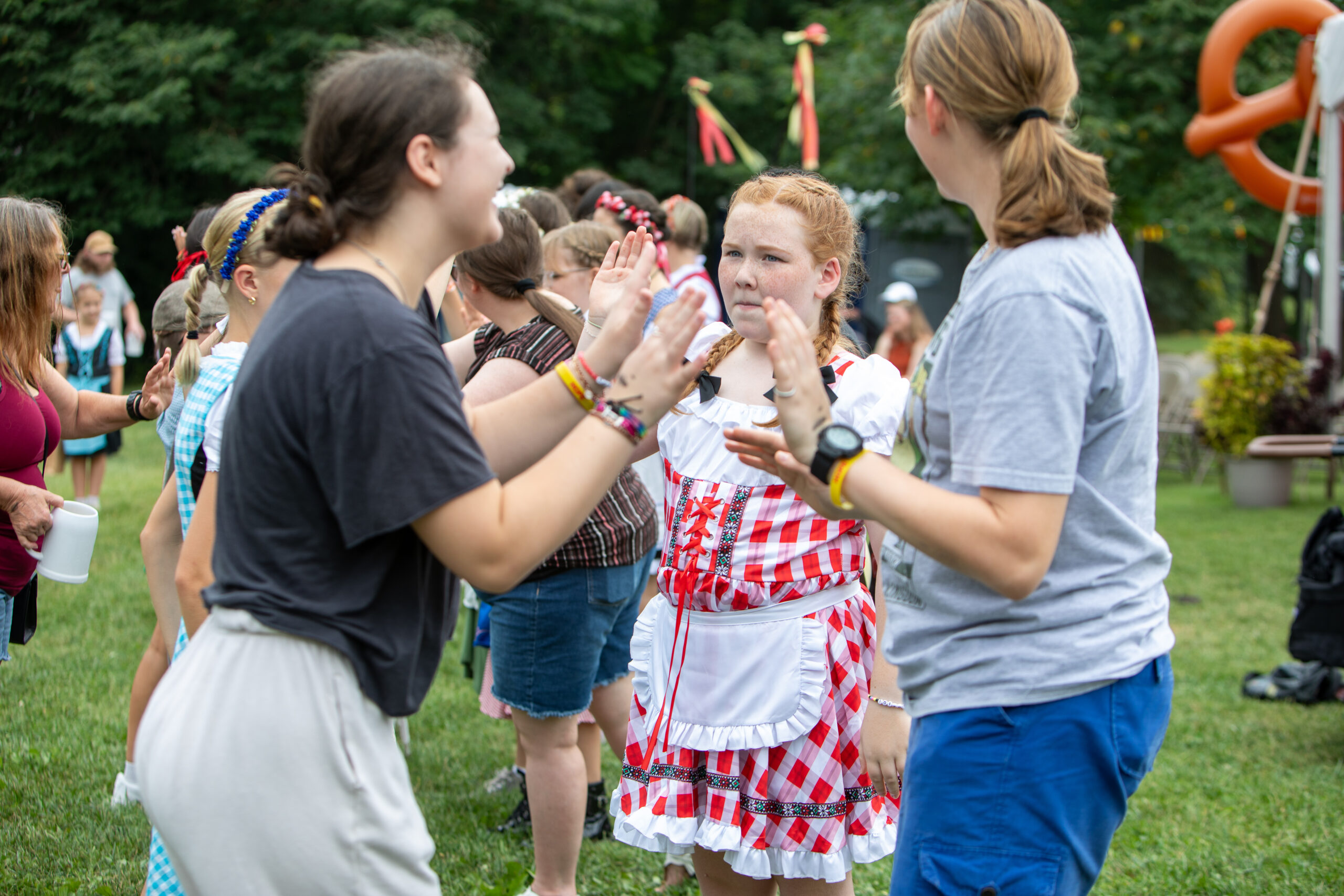
Polka dancing may feel very German—think beer halls, brass bands, and joyful foot-stomping—but its story is a little more delightfully twisty than you’d expect. The polka actually burst onto the scene in the early 1800s, spreading like a dance-floor wildfire across Central Europe. While its exact birthplace is debated (history loves drama), Germany quickly fell hard for it. Germans loved that the polka was lively, social, and slightly rebellious—a welcome break from stiff court dances that required posture, patience, and probably a powdered wig. By the mid-19th century, polka had made itself right at home in German villages and beer halls. It was easy to learn, fast enough to get your heart pumping, and—most importantly—an excellent excuse to laugh, spin, and occasionally collide with your neighbors. Folk musicians eagerly embraced it, and before long, polka rhythms were woven into regional traditions, especially in Bavaria and southern Germany. German immigrants later packed the polka into their suitcases and carried it abroad, helping turn it into a global party starter. But back home, it stayed true to its roots: music loud, steps quick, spirits high. No fancy footwork required—just enthusiasm and maybe a sturdy pair of shoes. Today, polka dancing in Germany remains a symbol of Gemütlichkeit—that warm, cozy sense of togetherness where everyone’s welcome on the dance floor. Whether performed at festivals, weddings, or after a few mugs of beer, the polka’s mission is unchanged after 200 years: Have fun, move your feet, and don’t take yourself too seriously.